 Clay Sprouting pot
 Lidded Glazed Clay Pots
 Glazed Baking & Roasting Clay Pots/Pans
 Inside Glazed Baking & Roasting Clay Pots/Pans
 Natural Clay Pots
 Terracotta Clay Accessories
 Terracotta Storage Jar
 My garden



When you start shopping for clay cookware, you will notice a big gap between the cheapest pots online and quality handcrafted pieces. It is tempting to grab the lowest price, but with clay pots that decision can backfire fast. At Claypots.eu we have seen what happens when a bargain pot fails, so this guide explains the real difference between cheap and quality clay pots, and why the cheaper option often costs more in the long run.
What “Cheap” Usually Means in a Clay Pot
A very low price almost always reflects a compromise somewhere. Cheap clay pots are often made from lower-grade clay, fired at the wrong temperature, or built with thin, uneven walls. Each of these shortcuts makes the pot more likely to crack under the thermal stress of an oven. The pot may look fine on arrival, but the weakness shows up the first or second time you really heat it. By contrast, every piece in our Natural Clay Pots and Lidded Glazed Clay Pots ranges is properly fired to withstand real cooking.
What “Quality” Looks Like
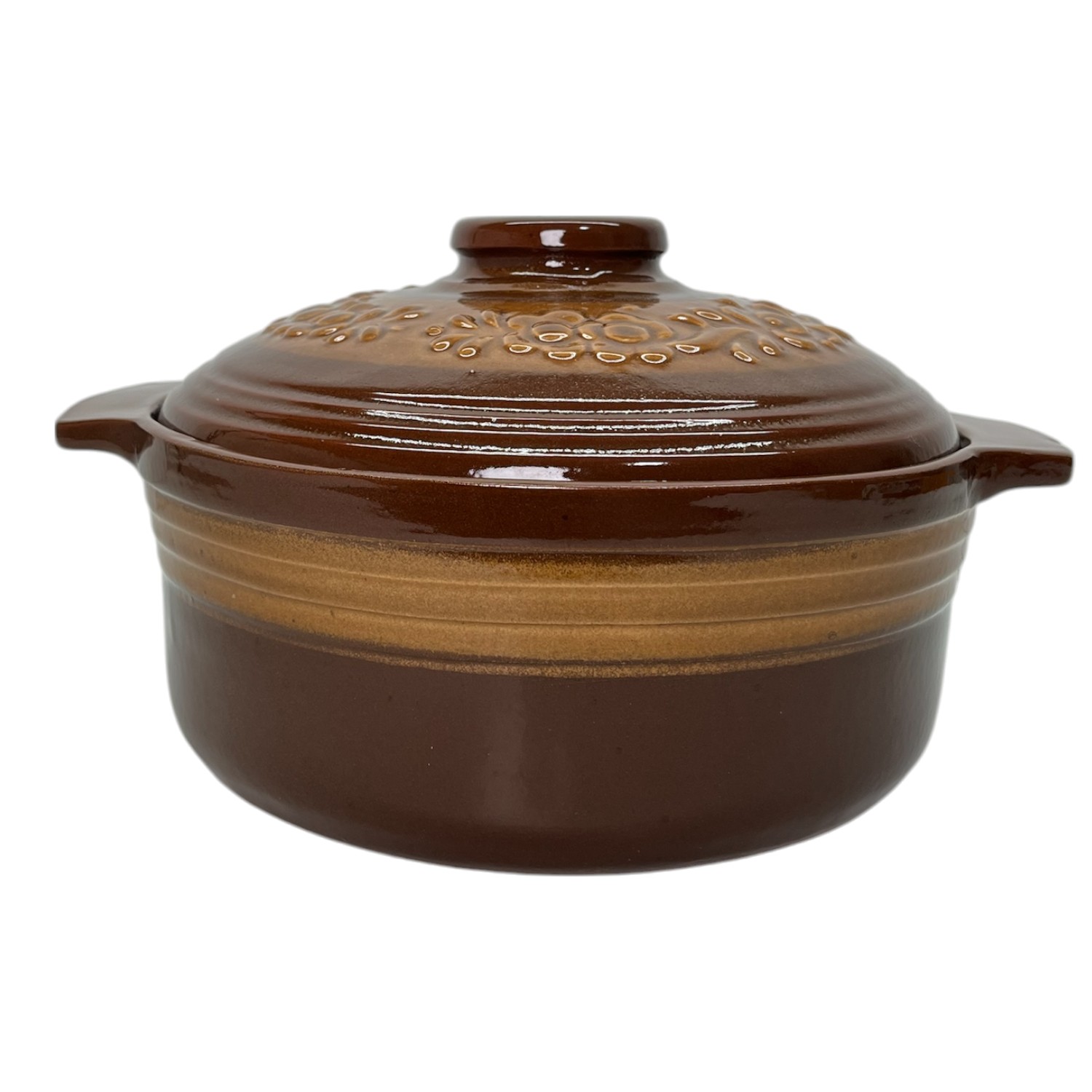
A quality clay pot has even, well-formed walls, a controlled firing that gives it strength, and clay graded for cooking. It feels solid in the hand and rings rather than thuds when tapped gently. Glazed pieces have a smooth, fully covered surface with no thin or bare patches. These details are hard to fake and are exactly what you get from a genuine handcrafted pot such as our glazed clay chicken roaster.
The Hidden Cost of Buying Cheap
The cruel maths of cheap cookware is simple. If a bargain pot cracks after a few uses, you have to buy another one, and possibly a third. Two or three cheap pots can easily cost more than one quality pot that lasts ten years. There is also the wasted food, the wasted time, and the frustration of a dish ruined when a pot fails mid-cook. Quality is not just nicer, it is usually the cheaper path once you account for replacements.
Performance in the Kitchen
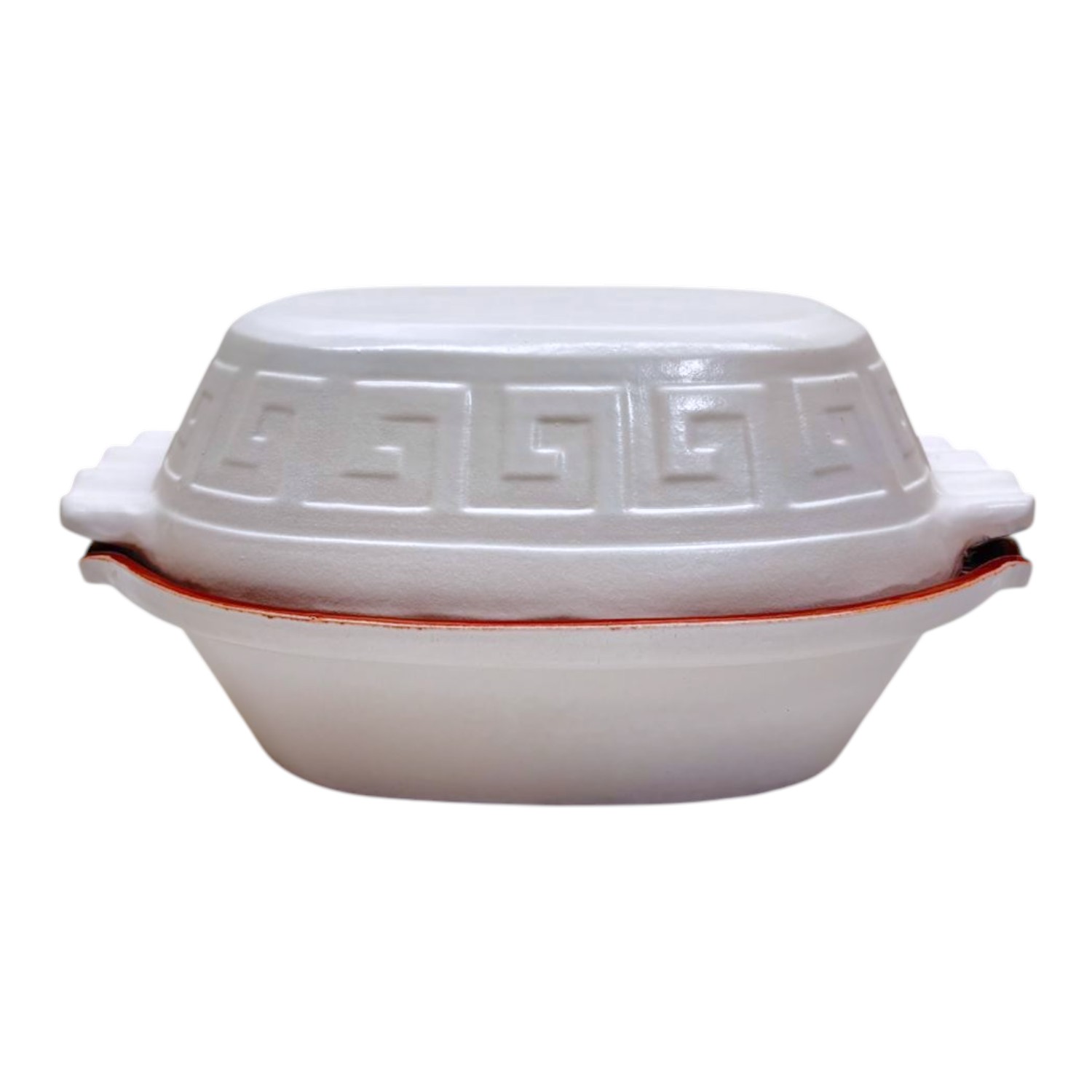
Beyond durability, quality affects how the pot cooks. A well-made pot with proper wall thickness heats evenly and holds heat steadily, giving you the gentle, moist cooking that clay is famous for. A thin, cheap pot heats unevenly, creating hot spots that can scorch food on one side while leaving another underdone. If you want the true clay-cooking experience, a quality lidded pot or a piece from our Glazed Baking & Roasting Clay Pots/Pans range delivers it consistently.
How to Tell the Difference Before You Buy
Look at the wall thickness and evenness, check that any glaze is smooth and complete, and read how the pot is made. Handcrafted pots made from natural clay and properly fired are a different product from mass-produced bargain ware, even when they look similar in a photo. When in doubt, buy from a seller who is transparent about materials and craftsmanship, and browse the full selection of handcrafted clay cookware so you can compare quality directly.
When Cheap Might Be Fine
To be fair, if you only need a decorative piece that will never see an oven, price matters less and a cheap option may be acceptable. But for anything you intend to cook with regularly, quality is not a luxury, it is the difference between a pot that lasts years and one that ends up in the bin.
Final Thoughts
Cheap and quality clay pots may look alike in a listing, but they behave very differently in your kitchen. Quality clay pots cook better, last longer, and usually cost less over their lifetime. Spend a little more once, choose a properly made pot from our lidded clay pot collection, and you will not be buying replacements for a very long time.