How to Cook in a Clay Pot: A Complete Guide to Clay Pot Cooking
Short answer: Clay pot cooking means cooking in a soaked, unglazed (or glazed-inside) clay vessel that goes into a cold oven and heats up slowly. The water held in the porous clay turns to steam, so meat, vegetables, beans and rice cook in their own moisture with little or no added fat. Start cold, heat gradually, keep the lid on, and never shock the pot with sudden temperature changes.
Clay pots are among the oldest cooking vessels in the world, and they are back in modern kitchens for a simple reason: the results. A whole chicken stays juicy, a bean stew turns creamy without stirring, and bread gets a crisp crust from the trapped steam. This guide explains how clay pot cooking works, how to prepare a pot, which methods and temperatures to use, and the mistakes that crack pots. If you are looking for dishes to try, see our clay pot recipes for beginners.
How Clay Pot Cooking Works
Unglazed clay is porous. When you soak the pot before cooking, the walls absorb water. In the oven that water is released slowly as steam, which surrounds the food, keeps it moist and carries flavour. Clay also heats slowly and evenly and holds heat for a long time, so the food cooks gently rather than frying at the edges. That combination – steam plus slow, even heat – is what makes clay pot cooking different from a metal roasting tin or a cast-iron pot. For a deeper look at the material itself, read our guide to clay and earthen pots for cooking.
Which Clay Pot to Cook In
Three finishes behave slightly differently:
- Natural (unglazed): the classic choice. Soak before use, wash without soap. Best for roasts, bread and slow stews.
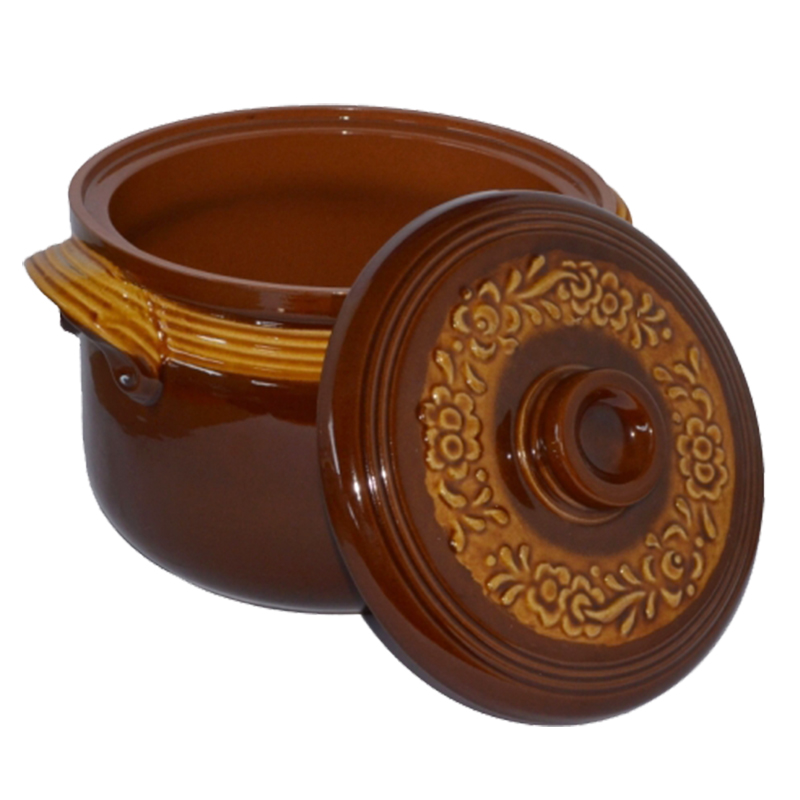
- Semi-glazed (glazed inside): the easiest for everyday cooking. No soaking needed inside, simple to clean, still gives the slow clay heat. Our recommendation for first-time users.
- Fully glazed: behaves more like ceramic ovenware; no soaking, widest colour choice.
The glazed vs natural clay pots comparison covers the trade-offs in detail. Whatever the finish, only cook in pots made and tested for food contact – decorative terracotta planters are not cookware.
Preparing a Clay Pot for Cooking
Before the first use, rinse the pot, soak an unglazed pot in cold water for 10–15 minutes and let it dry. Many cooks also do a first “seasoning” bake; our step-by-step guides to using a clay pot for the first time and seasoning a clay pot walk through it. For every later use, the routine is short:
- Soak the pot and lid (unglazed) for 10–15 minutes.
- Add the ingredients with a little liquid – stock, wine, water or tomatoes.
- Put the lid on and place the pot in a cold oven.
- Set the temperature and let the pot heat up with the oven.
Clay Pot Cooking Methods
Roasting
Whole chicken, pork shoulder, leg of lamb or a tray of root vegetables: the covered pot keeps everything moist, and removing the lid for the last 15–20 minutes browns the top. You can roast with almost no added fat.
Braising and stews
Beef, bean, lentil and vegetable stews are where clay shines. Low, even heat means no scorching on the bottom and no stirring. Beans cook to a creamy texture without falling apart.
Rice and grains
Rice cooked in clay comes out fluffy with a slightly toasted bottom layer. Use the same water ratio as usual, keep the lid on and let the pot rest 10 minutes after cooking.
Bread
A lidded clay baker traps steam during the first part of the bake, which gives a crisp, blistered crust similar to a professional oven. Start in a cold oven unless the maker says otherwise.
Fish and vegetables
Delicate food benefits from the gentle heat: fish with lemon and herbs, stuffed peppers, baked apples with cinnamon.
Temperatures and Cooking Times
Because the pot starts cold and the food cooks in steam, clay pot cooking usually uses a moderate oven and slightly longer times than a metal pan – most recipes sit around 180–200 °C (350–400 °F). Add 10–15 minutes to a conventional recipe for the pot to come up to temperature. Details on heat limits and safe handling are in can you use a clay pot in the oven.
Can You Use a Clay Pot on the Stovetop
Only if the maker explicitly marks the pot as stovetop-safe, and then with a heat diffuser on the lowest setting. Ordinary oven clay pots are for the oven. Direct flame or an electric ring creates a hot spot that cracks the base.
Mistakes That Crack Clay Pots
- Putting a cold pot into a preheated oven, or a hot pot onto a cold, wet surface.
- Adding cold liquid to a hot pot.
- Skipping the soak (unglazed pots) and cooking too dry.
- Using the grill/broiler setting with the pot directly under the element.
- Washing unglazed clay with soap – the pores absorb it. See how to clean a clay pot.
Is Clay Pot Cooking Healthy
It is one of the gentler ways to cook: little or no added fat, moisture and nutrients kept inside the pot, and no synthetic non-stick coating. The one thing to check is the clay itself. In the EU, ceramic cookware must meet lead and cadmium migration limits (Directive 84/500/EEC). Our three finishes are tested by an independent laboratory; the results are on our safety and materials page.
Clay Pot Cooking for Shops and Distributors
Clay cookware sells well in kitchen shops, delicatessens, garden centres with a kitchen range and online stores, because the method is easy to explain and the product is visibly different from metal pans. We manufacture natural, semi-glazed and fully glazed clay cooking pots in Romania, inside the EU, with independent food-contact test reports for every finish, EAN-13 codes on every article and a minimum order of one mixed pallet. Read how our wholesale clay cooking pots programme works, or request a quote with pallet counts and lead times. Care cards for the three finishes are available for your customers.
Frequently asked questions
Do you have to soak a clay pot every time you cook
Unglazed pots: yes, 10–15 minutes in cold water before each use. Pots glazed on the inside do not need soaking.
Can you cook in a clay pot without a lid
Yes, but you lose most of the steam effect. Cook covered and remove the lid only at the end to brown the top.
What temperature is clay pot cooking done at
Usually a moderate oven, around 180–200 °C (350–400 °F), always starting from a cold oven so the pot heats gradually.
Why did my clay pot crack
Almost always thermal shock: a cold pot in a hot oven, cold liquid in a hot pot, or a hot pot on a cold wet counter. Heat and cool it gradually.