 Clay Sprouting pot
 Lidded Glazed Clay Pots
 Glazed Baking & Roasting Clay Pots/Pans
 Inside Glazed Baking & Roasting Clay Pots/Pans
 Natural Clay Pots
 Terracotta Clay Accessories
 Terracotta Storage Jar
 My garden



One of the first decisions when buying clay cookware is whether to choose a glazed pot or a natural, unglazed one. Both are wonderful, but they suit different cooks and different kitchens. At Claypots.eu we make both, so we have no reason to push you one way or the other. Here is a fair, side-by-side look at the pros and cons of each, so you can choose with confidence.
Glazed vs Unglazed Clay Pots for Cooking: Quick Answer
Unglazed clay pots are porous: soaked before cooking, they release steam and keep food juicy, but they need soap-free cleaning. Glazed clay pots do not absorb water or flavours, clean like ordinary dishes and suit everyday cooking. Glazed-inside pots combine the two: even clay heat with an easy-clean inner surface.
What’s the Difference Between a Glazed and an Unglazed Clay Pot?
| Unglazed (natural) | Glazed | |
|---|---|---|
| Surface | Porous, breathes | Sealed, smooth |
| Soaking before use | Yes, 30–60 minutes | Not needed |
| Moisture in cooking | Releases steam – very juicy results | Keeps juices in the dish, no steam from the walls |
| Flavours and odours | Can absorb them; builds a patina | Stays neutral |
| Cleaning | Water, brush, baking soda – no soap | Mild detergent is fine |
| Best for | Roast chicken, bread, slow stews | Everyday dishes, casseroles, desserts |
Both types heat slowly and evenly, and both should be started in a cold oven to avoid thermal shock.
Natural Clay Pots: The Pros
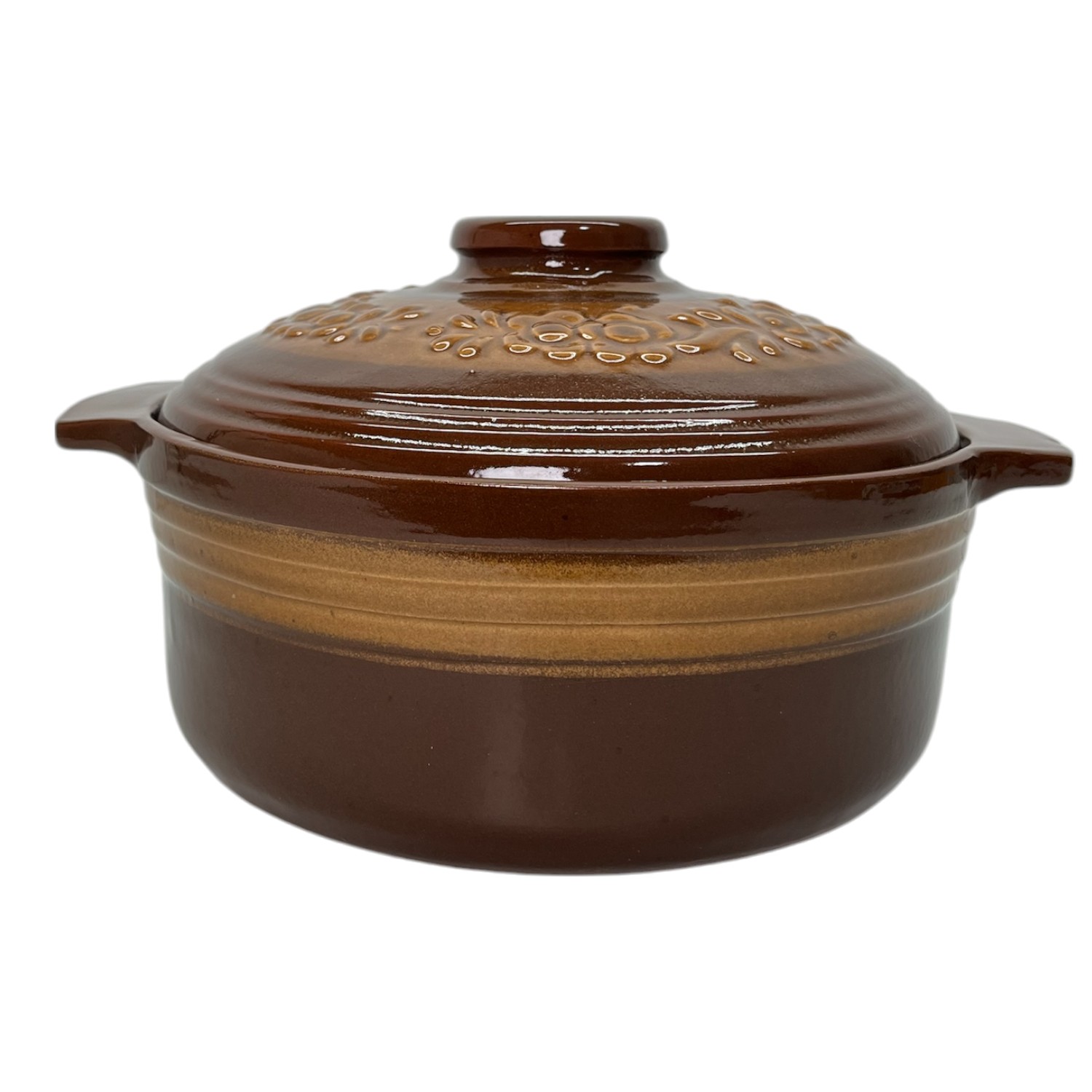
Natural, unglazed pots offer the most authentic, traditional cooking experience. The porous clay breathes, allowing gentle moisture exchange that gives slow-cooked food a uniquely earthy, mellow flavour. Many cooks feel that a natural pot produces the truest expression of clay cooking. Our Natural Clay Pots are pure terracotta, as close to centuries-old tradition as you can get.
Natural Clay Pots: The Cons
The trade-off is care. A natural pot needs seasoning before first use, should be cleaned without strong detergents, and can absorb odours from strongly flavoured dishes over time. None of this is difficult, but it does ask a little more attention than a glazed pot. If you want minimal fuss, this is worth bearing in mind.
Glazed Clay Pots: The Pros
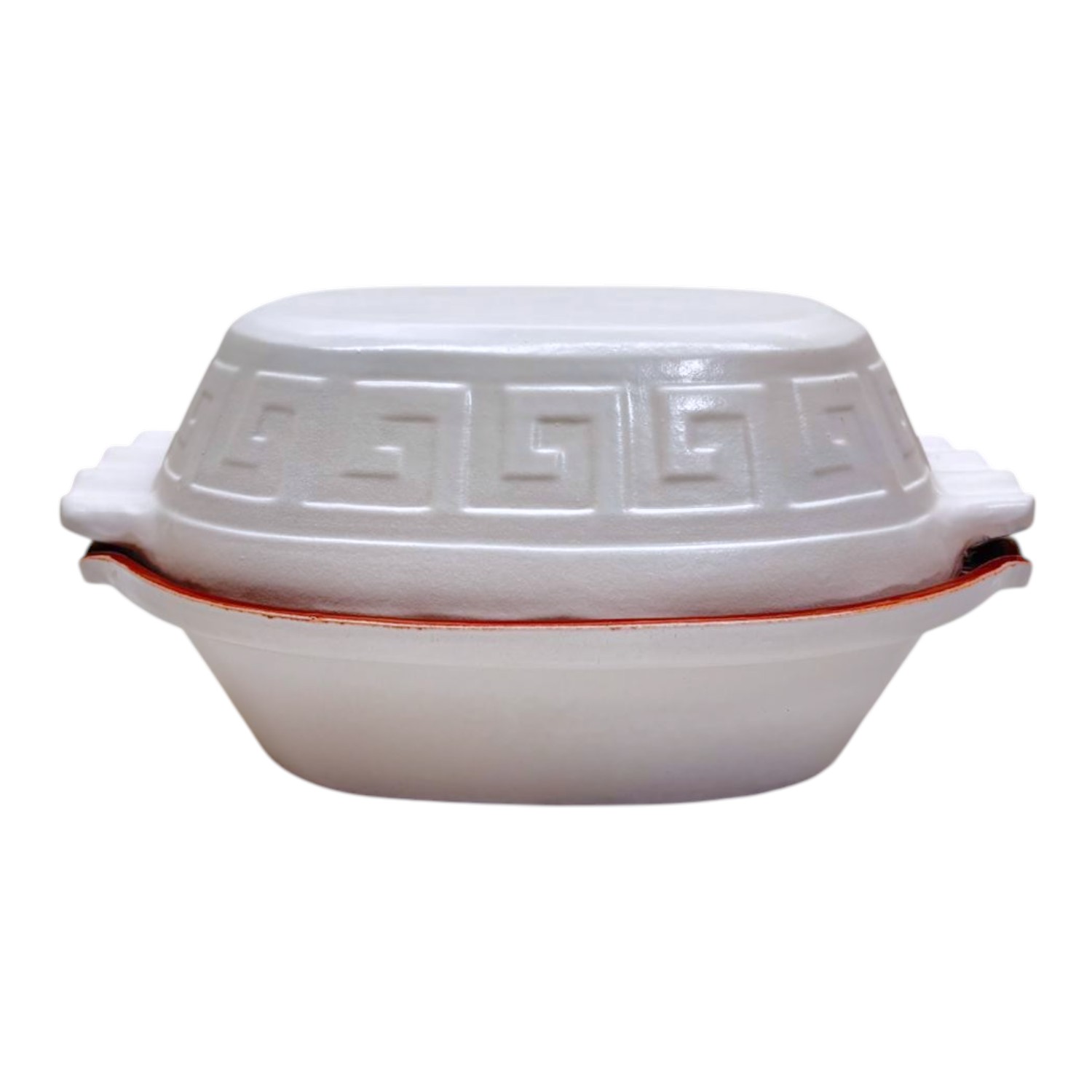
Glazed pots have a smooth, sealed surface that is easy to clean, does not absorb odours, and requires no seasoning. They are practical, low-maintenance, and often beautiful, with colour and shine that look lovely from oven to table. For everyday convenience, a piece from our Lidded Glazed Clay Pots range is hard to beat.
Glazed Clay Pots: The Cons
The main trade-off is a slightly higher price, since glazing requires an extra step and a second firing. Some traditionalists also feel the sealed surface gives a marginally less earthy result than raw clay. For most cooks, though, the convenience far outweighs these minor points.
Performance in the Kitchen
Both types deliver the gentle, even heat and moisture retention that make clay cooking special. The difference is mostly about surface and maintenance rather than cooking quality. A glazed roasting piece from our Glazed Baking & Roasting Clay Pots/Pans range and a natural pot will both produce tender, flavourful results.
Which Should You Choose?
Choose natural if you love tradition, want the most authentic earthy flavour, and do not mind a little extra care. Choose glazed if you value easy cleaning, low maintenance, and a polished look. Many enthusiastic cooks end up owning both, using each for different dishes. Explore the full range of handcrafted clay cookware to see your options side by side.
Final Thoughts
There is no universal winner in the glazed-versus-natural debate, only the right pot for your habits. Natural offers tradition and earthy flavour with a little more care, while glazed offers convenience and easy cleaning. Decide which matters more to you, and you will love whichever you choose. Start with our lidded clay pots or our natural clay pots to find your perfect fit.
How to Season a Glazed Clay Pot for the First Time
A glazed pot needs no soaking or oil seasoning. Wash it with warm water and a little mild detergent, dry it, and for the first cook start in a cold oven so the pot warms up gradually. If only the inside is glazed, the unglazed outer base can still be briefly soaked. For unglazed pots, see how to season a clay pot properly.
Are Glazed Clay Pots Safe?
Glazes are where lead and cadmium can come from in ceramics, so testing matters. All three of our finishes – natural, semi-glazed and fully glazed – were tested by IBA București under EU Directive 84/500/EEC and came in far below the legal limits. The results are on our safety and materials page.
Frequently asked questions
Which is better for cooking, glazed or unglazed clay?
Unglazed clay gives the juiciest results for roasts and bread; glazed clay is easier to clean and better for everyday dishes. Glazed-inside pots are a good middle ground.
Do you soak a glazed clay pot?
No. Glazed surfaces do not absorb water, so soaking has no effect. Only unglazed parts benefit from soaking.
How do I clean unglazed ceramic pottery?
Use hot water, a soft brush and baking soda for stubborn spots – no soap – and let it dry completely. Full steps are in our unglazed clay cleaning guide.
Do glazed clay pots contain lead?
Food-safe glazed cookware must stay below the EU lead and cadmium migration limits. Ask for lab results – ours are tested on every finish.