 Clay Sprouting pot
 Lidded Glazed Clay Pots
 Glazed Baking & Roasting Clay Pots/Pans
 Inside Glazed Baking & Roasting Clay Pots/Pans
 Natural Clay Pots
 Terracotta Clay Accessories
 Terracotta Storage Jar
 My garden



One of the first questions every home cook asks before switching to traditional cookware is simple: how much does a clay cooking pot actually cost? It is a fair question, and an important one. At Claypots.eu we believe transparent pricing leads to happier customers, so this guide breaks down what you can realistically expect to pay for a quality clay pot in 2026, what drives those prices, and how to make sure you are getting genuine value rather than just a low number on a tag.
What Does a Clay Cooking Pot Cost in 2026?
Handcrafted terracotta cookware spans a wide price range because it covers everything from a small single-portion dish to a giant family casserole. As a general guide for 2026, smaller lidded pots and serving pieces sit at the entry level, mid-size round pots occupy the middle of the range, and large or giant casserole dishes and specialty items such as tagines and bundt pans command the highest prices. The reason is straightforward: a larger pot requires far more natural clay, a longer drying period, and a bigger kiln firing, all of which add to the cost of making it.
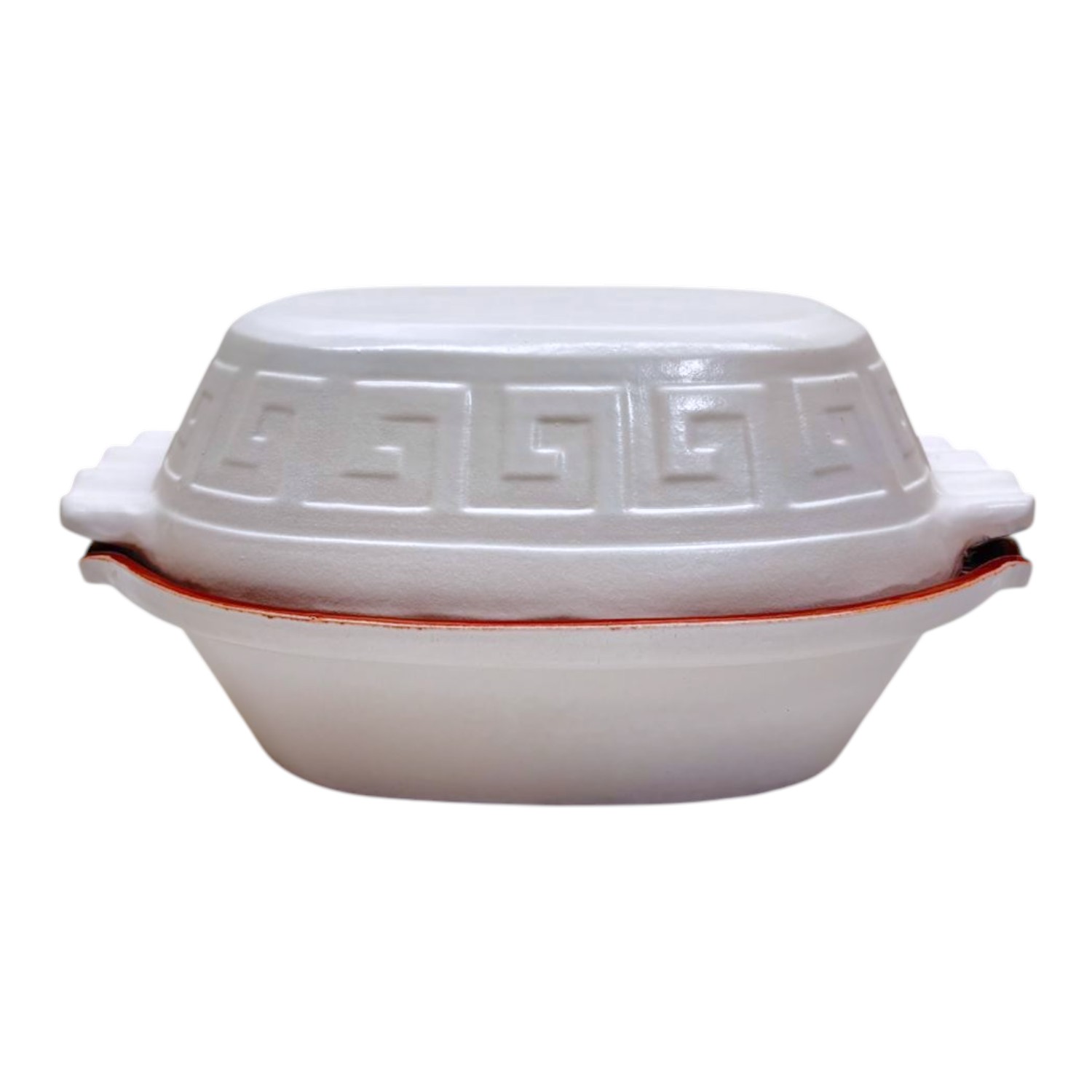
If you are just starting out, a piece from our Lidded Glazed Clay Pots collection is the most popular entry point. The Small size glazed clay pot is an affordable way to test clay cooking before committing to a larger set.
What Factors Affect the Price of a Clay Pot?
Several things determine where a particular pot falls in the price range. Understanding them helps you decide where it is worth spending more and where you can save.
Size and clay volume. This is the single biggest factor. A giant casserole dish uses several times more clay than a small one and takes much longer to shape and dry, which is why larger pieces in our Glazed Baking & Roasting Clay Pots/Pans range cost more than compact ones.
Glazed versus natural finish. A fully glazed clay pot requires an extra glazing step and a second firing, so it usually costs a little more than an unglazed piece from our Natural Clay Pots collection. Glazing also makes a pot easier to clean and lets you skip the seasoning ritual, so many buyers find the small premium worthwhile.
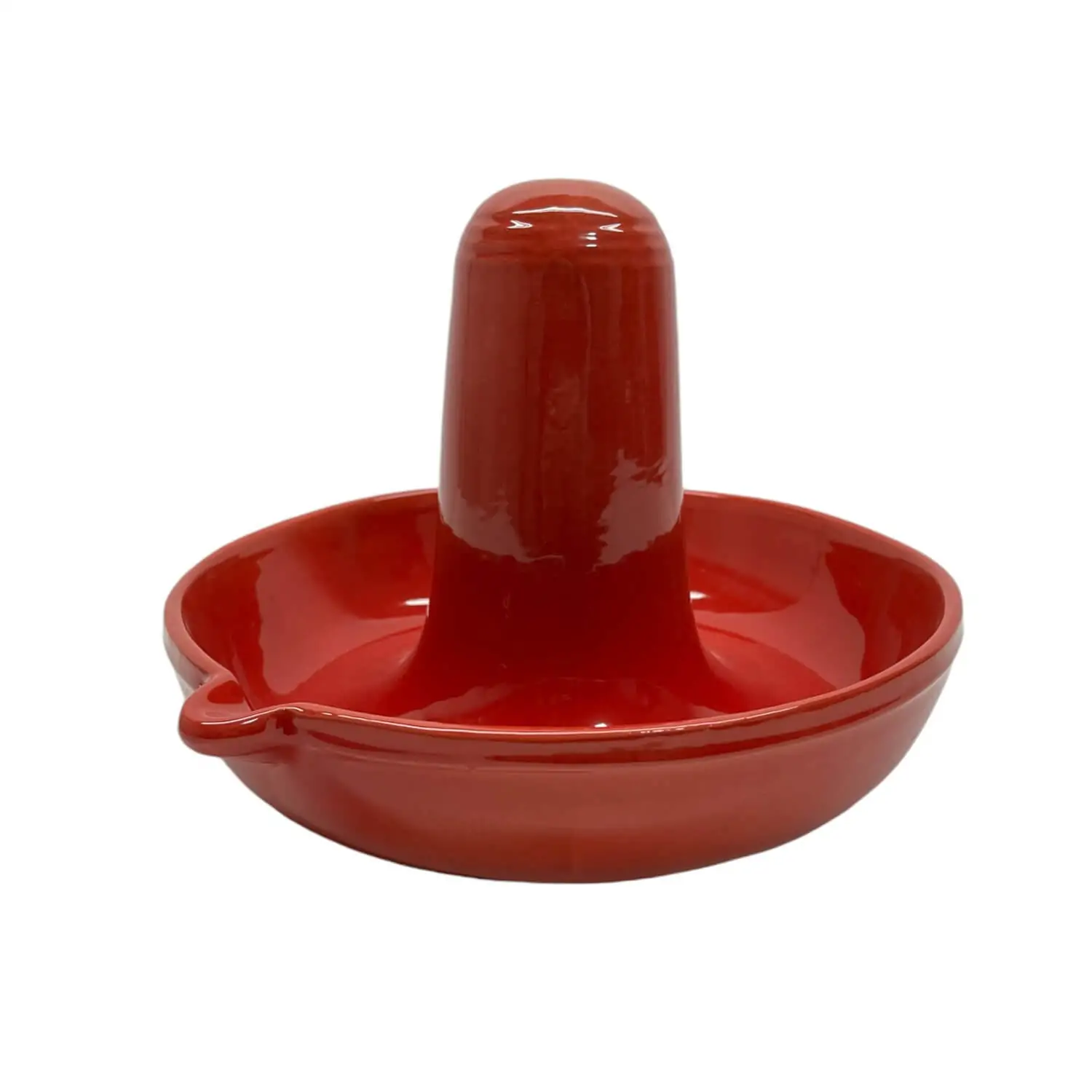
Shape and specialty design. Specialty forms such as a tagine, a bundt cake pan, or a dedicated glazed clay chicken roaster are more complex to mould and fire than a simple round pot, so they sit higher in the range.
Handcrafting. Every piece we sell is shaped and finished by hand from natural clay. You are not paying for a mass-produced factory item but for genuine artisan cookware that can last for many years with proper care.
Is a Clay Pot Worth the Cost?
When you compare a clay pot to a cheap metal pan, the clay pot may look more expensive upfront. But cost should always be measured against how long something lasts and what it does for your cooking. A well-cared-for terracotta pot can serve a family for a decade or more, while many non-stick pans are replaced every couple of years once their coating wears out. Spread across its lifetime, a quality clay pot is often the cheaper choice.
There is also the cooking benefit. Clay heats gently and evenly, holds moisture, and lets you use less oil, which many of our customers value just as much as durability. For a deeper look at this, our collection of lidded clay pots is designed specifically for slow, moist, one-pot cooking.
Cheap Versus Quality: What Is the Real Difference?
It is tempting to buy the cheapest clay pot you can find, but very low-priced pots are often thin, unevenly fired, or made with lower-grade clay that cracks under thermal stress. A properly made pot, fired at the right temperature, withstands the heat of an oven for years. The difference shows up the first time a bargain pot cracks in the oven and has to be thrown away. Paying a fair price once is almost always cheaper than replacing a failed pot twice.
Pricing Myths That Confuse Buyers
A common myth is that all clay pots are basically the same, so you should simply buy the cheapest. As we have seen, size, finish, shape, and craftsmanship all change both the price and the result you get in the kitchen. Another myth is that handmade automatically means overpriced. In reality, because our pots last so long and improve with use, the cost per meal is remarkably low.
How to Choose the Right Pot for Your Budget
The smartest approach is to match the pot to how you actually cook. If you cook for one or two people, a small lidded pot is both affordable and practical. For family meals, a mid-size or large casserole is the better long-term value. If you love roasting, the clay chicken roaster earns its place quickly. You can always browse the full range across all of our handcrafted clay cookware to compare options side by side.
Final Thoughts
A clay cooking pot is not an expense so much as a long-term investment in better, healthier meals and a piece of cookware that often outlives everything else in the kitchen. Once you understand what drives the price, choosing the right pot for your budget becomes easy. Explore our lidded glazed clay pots and natural clay pots to find the piece that fits both your kitchen and your budget.