5 Clay Pot Pricing Myths That Confuse Buyers (and Cost Them Money)
Pricing is where a lot of clay-pot shoppers get confused, and a few stubborn myths cause people to overpay, underpay, or buy the wrong pot entirely. At Claypots.eu we believe a well-informed buyer makes a happier customer, so let us clear up the five most common pricing myths about clay cookware and replace them with the truth.
Myth 1: “All Clay Pots Are Basically the Same, So Buy the Cheapest”
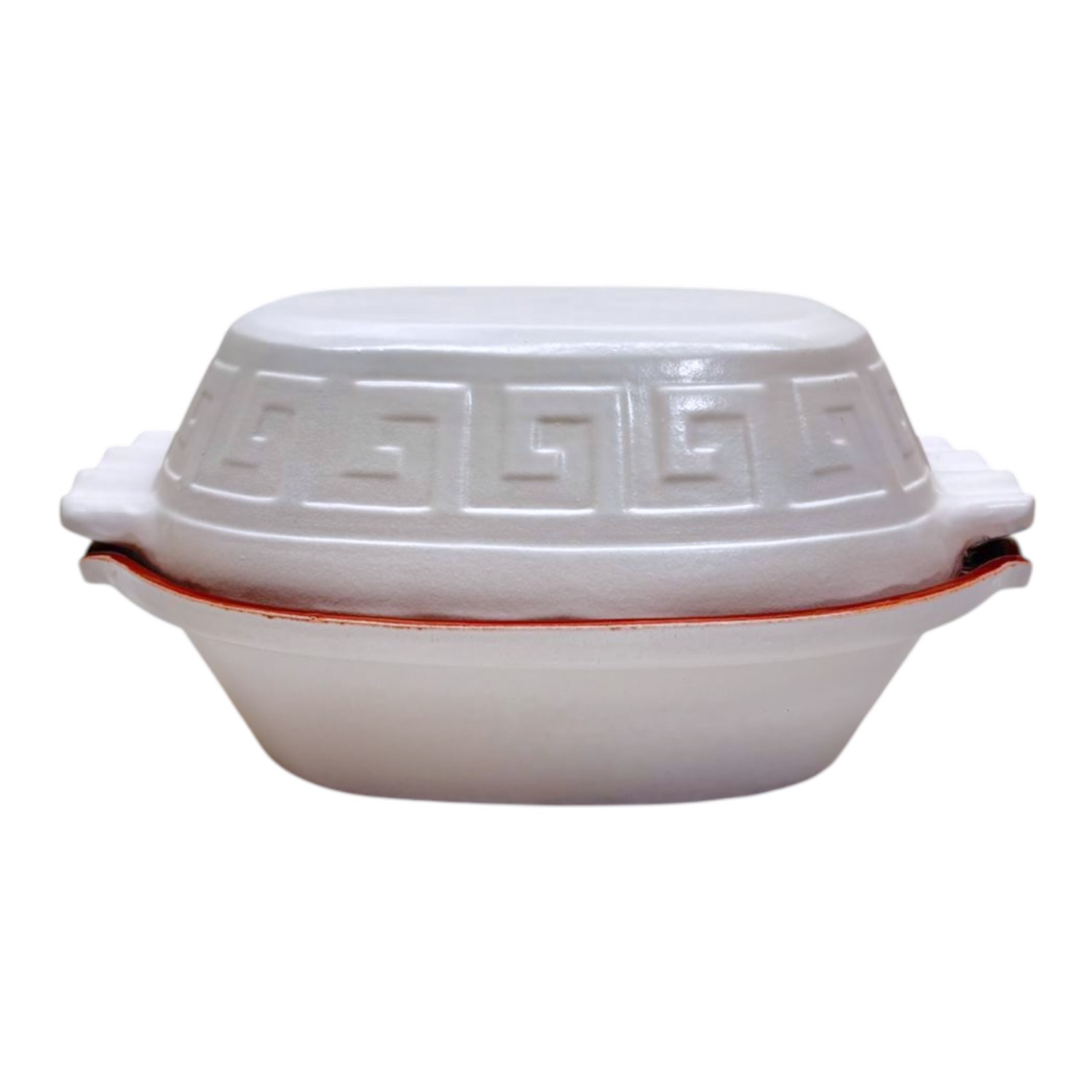
This is the most expensive myth of all. Clay pots vary enormously in clay grade, firing quality, wall thickness, size, and finish. A cheap, thin pot fired at the wrong temperature behaves nothing like a properly made one, and it often cracks the first time it meets real oven heat. Choosing a well-made piece from our Lidded Glazed Clay Pots collection is not paying extra for a logo, it is paying for a pot that survives years of cooking.
Myth 2: “Handmade Always Means Overpriced”
Some shoppers assume that anything handcrafted carries an unfair markup. In reality, because handmade clay pots are durable and improve with use, the cost spread across years of meals is remarkably low. A handcrafted pot from our Natural Clay Pots range is not a luxury indulgence, it is a long-term kitchen workhorse with a very low cost per use.
Myth 3: “A Bigger Pot Is Always Better Value”
Bigger is not automatically a better deal. A giant casserole that you only half-fill wastes energy and storage space, and you paid for clay you do not use. The best value comes from matching the pot size to how you actually cook. If you cook for one or two, a small or mid-size pot is the smarter buy, even though the bigger pot looks like more pot for your money.
Myth 4: “Glazed Pots Are a Rip-Off Because Natural Is Cheaper”
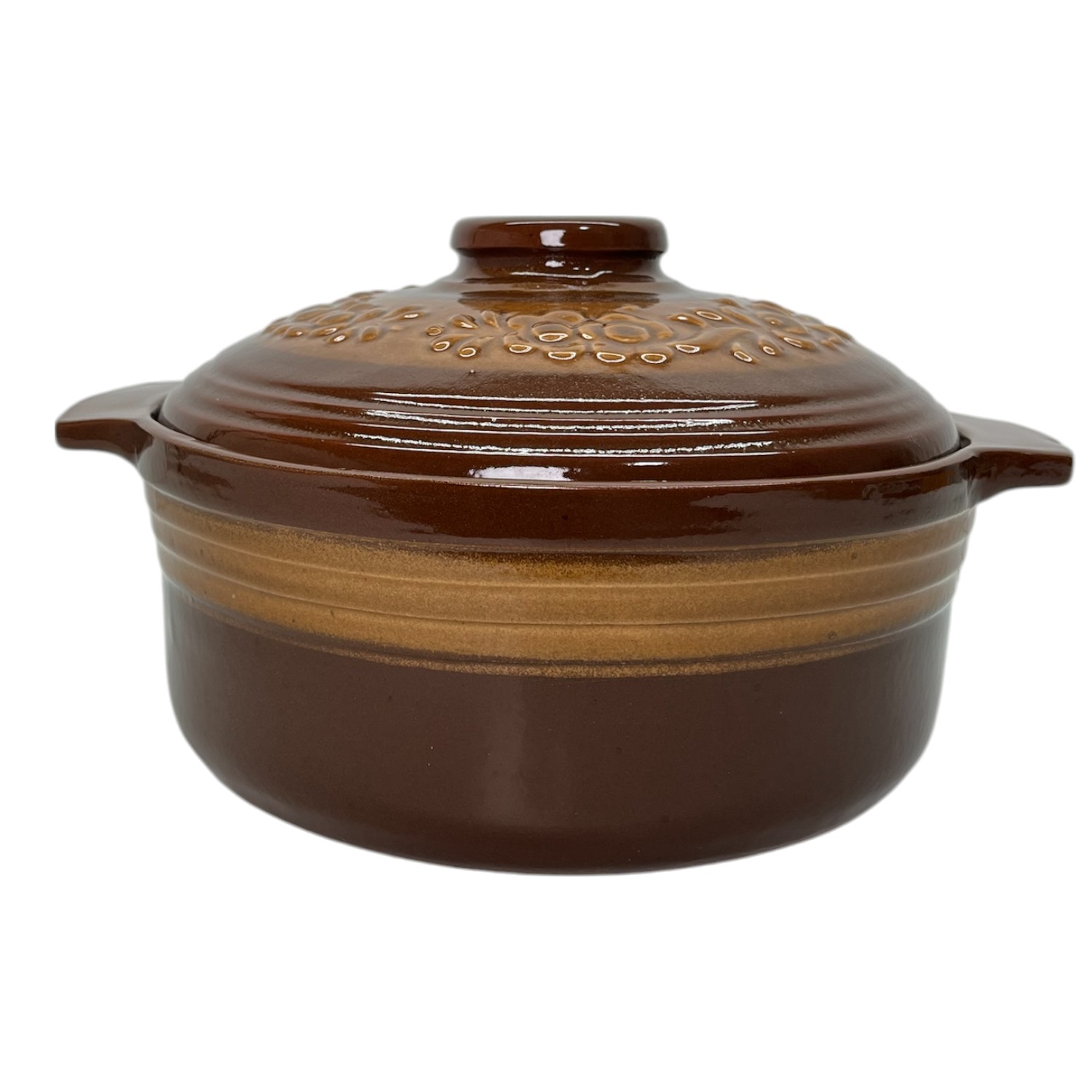
Glazed pots cost a little more because they require an extra glazing step and a second firing, not because anyone is padding the price. That glaze gives you a smooth, easy-to-clean, food-safe surface and removes the need for seasoning. For many cooks that convenience is worth every cent. Whether a natural pot or a glazed one is better value depends entirely on how much maintenance you are willing to do, not on price alone.
Myth 5: “Specialty Pots Are a Gimmick”
A tagine, a bundt pan, or a dedicated clay chicken roaster costs more than a plain round pot, and some buyers dismiss them as gimmicks. But these shapes do specific jobs that a basic pot cannot. A chicken roaster, for instance, cooks poultry upright for even results and crisp skin. If you make that dish often, the specialty pot is excellent value, not a gimmick at all.
How to Spend Wisely Instead
The antidote to all these myths is simple: ignore the myths and match the pot to your real cooking habits. Decide how many people you cook for, how much maintenance you want, and which dishes you make most. Then browse the full range of handcrafted clay cookware and our Glazed Baking & Roasting Clay Pots/Pans with those answers in mind. You will spend exactly what you should and nothing more.
Final Thoughts
Pricing myths cost buyers money in both directions, by tempting them toward fragile bargains or steering them away from pots that would serve them perfectly. Look past the myths, focus on quality and fit, and you will get genuine value from a clay pot that lasts for years.